One of the more intriguing practices mandated by Mosaic law was gleaning.
When you reap the harvest of your land, you shall not reap to the very edges of your field, or gather the gleanings of your harvest. You shall not strip your vineyards bear, or gather the fallen grapes of your vineyard; you shall leave them for the poor and the alien. I am the Lord your God. Leviticus 19:9-10
When God’s people entered the promised land, Joshua allotted land to 11 of the twelve Israelite clans by sacred lots, based not on wealth or position or merit, but on God’s manipulation of chance. Joshua did not allot land for the foreigners, the non-Hebrews, who traveled and lived with the Israelites. And with few exceptions, women and children had no land. But without land to harvest, how would these people eat? Where would their food come from? God’s law made it very clear that these peoples were not to be allowed to go hungry just because they had no land; gleaning was God’s provision for the stranger living among the Israelites.
God’s law entitled any foreigner or landless individual to glean in anyone’s field; every land owner was to leave some of the harvest for them to glean.
When you reap your harvest in your field and forget a sheaf in the field, you shall not go back to get it; it shall be left for the alien, the orphan and the widow, so that the Lord your God may bless you in all your undertakings. Deuteronomy 24:19
This was not charity by the landowner. The land was only “his” because God had allotted it to him; part of the responsibility of owning the land was following the gleaning laws. And the gleaners still had to work to harvest the portion set aside for them.
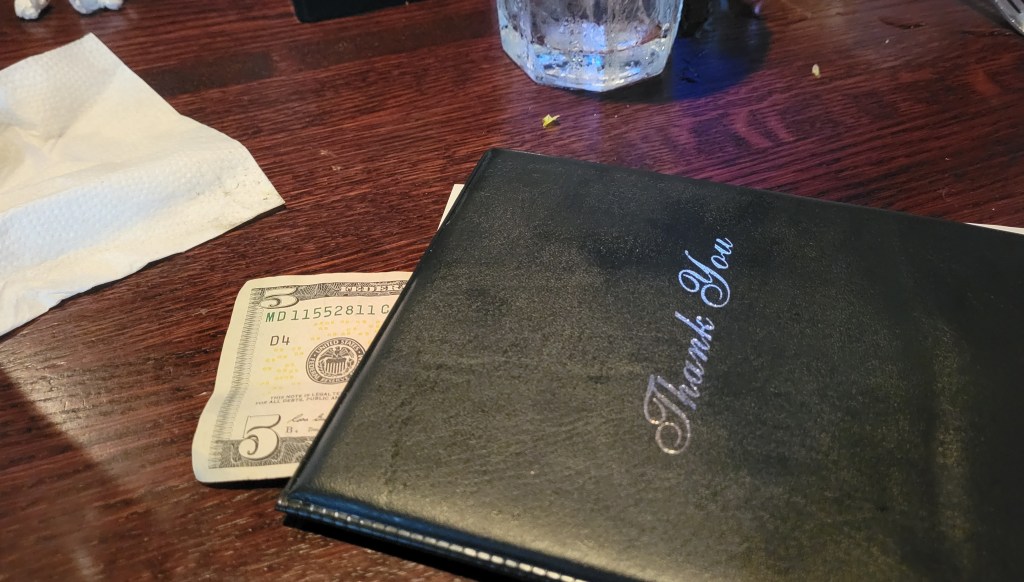
Sometimes, when I am figuring out tips or budgeting to the penny, these verses come to me. We are told to be good stewards, but also be generous with the gifts God has given us; leave a little wiggle room for those needier than me. Perhaps I should be willing to hire someone to do something I could do simply because they need the work more than I need the money?. After all, the landowner could easily harvest his land to the edges. Perhaps I just need to loosen my hold on “my possessions,” recognizing that they are all gifts from God.
And there’s no telling what may come from our willingness to follow God’s laws about sharing His gifts to us with others. Boaz was a landowner following God’s laws concerning gleaning, when he noticed Ruth, probably the most famous gleaner in the Bible.
She is the Moabite who came back with Naomi from the country of Moab. She said, “please let me glean and gather behind the reapers.” So she has came, and she has been on her feet from early this morning until now, without resting for even a moment. Ruth 2:6-7
Ruth, the foreign woman working in the field, grandmother to King David.
Gleaning may take many forms in today’s economy. Some non-profit organizations still glean the fields of commercial farms to add to food banks. Many grocery stores and restaurants donate unused food stuffs to homeless shelters. Some business intentionally hire disabled workers and ex-convicts, giving them dignity and a living wage. Many companies donate goods, services, and profits to help others.
Do I really need everything my field produces? Could there be someone who needs at least a little of it more than I do? Has God granted me land, not based on merit, but on His grace, requiring that I share the land’s produce with others? The Israelites did not consider gleaning charity. It was an obligation to God. I believe it still is.
Whoever has two coats must share with anyone who has none; and whoever has food must do likewise. Luke 3:11
Must. What must I share today?
Betsy
Discover more from The Victory Garden
Subscribe to get the latest posts sent to your email.
 The Victory Garden
Powerful and thought provoking post, Betsy.
LikeLiked by 1 person