Garlic Varieties

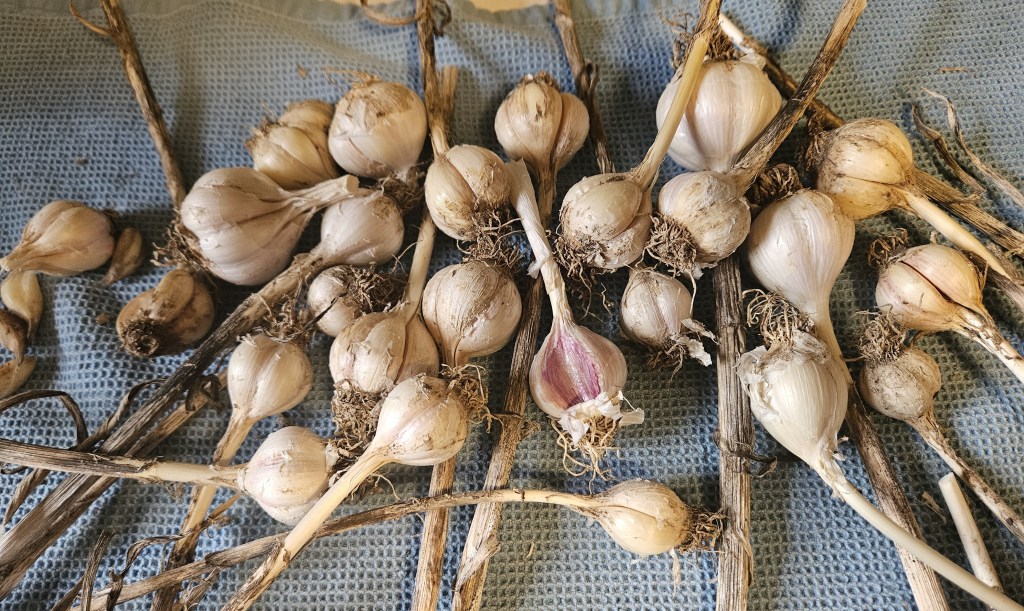
I planted a different kind of garlic this year than I have in the past. These are hard neck garlic instead of soft neck. I didn’t understand the difference until I grew them. After all, garlic doesn’t have a neck, right?

They could be called hard stalk and soft stalk, because these plants look quite different from my previous plants. This garlic is growing tall on stems that are as hard as bamboo, with fat white buds that are opening to fluffy purplish flowers. My others waved like tall grass, bending in the slightest breeze.

But as different as this plant looks to my eyes, both plants are still garlic. What makes them garlic is not the stem strength or the presence (or absence) of a flower. What makes them garlic is what is growing out of sight underground.

I know this because I planted them.

Could God be showing me something here?

How quick I am to judge those whose expressions of faith look different from mine. How quick others are to judge me. Do you raise your hands and jump about? Do you sit silently in your pew with your hands in your lap? Do you only listen to Christian radio? Do you watch church online or on the television? Do you preach the narrow path (Matthew 7:13-14) or that Jesus came for sinners (Mark 2:17)?

Unlike me, God knows what He planted. He knows the important part of our faith may be hidden in the dark underground, in the secret moments of our lives. Outwardly our faith may look quite different, but God sees the heart.

Perhaps it is not how we express our faith that is important in the end, but that our faith is growing deep withing us.

But the Lord said to Samuel, “Do not look on his appearance or the height of his stature, because I have rejected him; for the Lord does not see as mortals see; they look on the outward appearances, but the Lord looks on the heart.” 1 Samuel 16:7.

As mortals, we look at appearances. In the seventies, a question went around – “If you were arrested for being a Christian, would there be enough evidence to convict you?” Do you attend church? Is your Bible dust-free? Do you help the needy? Do you know praise music lyrics? We want that external evidence. We fret a little when our external evidence doesn’t look like other people’s. We fret when their faith doesn’t look like ours.

I’m not fretting over my garlic. I know what is growing in secret. The external evidence, as different as it may be, still indicates that something is growing. Hard neck, soft neck, flower or no flower, garlic is growing.

So that your alms may be done in secret; and your Father who sees in secret will reward you. … But whenever you pray, go into your room and shut the door and pray to your Father in secret; and your Father who sees in secret will reward you…. So that your fasting may be seen not by others but by your Father who is in secret; and your Father who sees in secret will reward you. Matthew 6:4, 6:6, 6:18.

I urge you today to rejoice in the variety of ways God allows us to express our faith, to share His love for us with each other, and praise Him. He knows what He planted. Let us help it grow, knowing that it grows in secret.

Love in Christ, Betsy

Crabgrass and Bunnies

I awoke this morning feeling a little overwhelmed by life. Too much to do; too little time. Problems that need addressing; problems too large for me to address. Some days are like that. Some weeks, even years are like that. What is the point, really, of even getting out of bed?

Of course, I do, and early. Too much to do and too little time. Even during my devotional, I have one eye on the clock and grapple with the guilt of that.

And then I step outside to walk my garden. What an absolutely marvelous morning!

Yesterday’s rain sucked all the humidity and heat from the air, leaving a crisp coolness rare for June in Tennessee. The yard is thick and spongy. Bunnies twitch their ears at me and continue munching clover. The creek bed runs clean, stripped of the muck that can settle in it. There are tiny green figs and larger green tomatoes. The sun casts mosaic patterns on the yard as it warms the earth from behind the trees. Everything feels alive and glorious.

I was going to write about the ever-present crabgrass. Those emotions and hidden resentments that burst out through an unprotected space, that selfishness that reacts in anger at frustrating problems and too much to do. Sometimes, when I look at my garden, that is all I can see – the weak spots where the crabgrass flourishes.

Sometimes when I look at my garden I don’t see any of the good things there, just my failures and what more I should or could do. Sometimes all I see is crabgrass.

And then, like a gracious gift from a loving God, there is a morning like this morning.

Invigorated by the cool air, I pull the crabgrass away from my fledgling fig trees and from the edges of the tomatoes. An easy task accomplished to the serenade of a mockingbird. A small butterfly darts among the plants, and a buzzing lets me know that bees are near.

Barely ten minutes have elapsed when I return indoor, a new and revitalized person. What a gift to have demands on my time, people I want to see, people who want to see me. How blessed I am that I am frustrated by no longer being able to start my car remotely. Talk about a first world problem!

What a gift it is to step outside my home and find myself confronted with nature. Sure, sometimes it’s hot or stormy or bitterly cold. Sometimes there are trees down and plants missing and crabgrass pushing through the edges. There will always be something that is not perfect, something that needs doing, some problem I need to address. That too is a gift. A purpose, a reason to get out of bed in the morning.

By awesome deeds you answer us with deliverance, O God of our salvation; you are the hope of all the ends of the earth and of the farthest seas. By your strength you established the mountains; you are girded with might. You silence the roaring of the seas, the roaring of the waves, and the tumult of the peoples. Those who live at earth’s farthest bounds are awed by your signs; you make the gateways of the morning and the evening shout for joy. Psalm 65:5-8

What a wonderful world God has made. We so often sully it with bickering and jealousy and hidden resentments and fears. It is easy to take our eyes off the beauty and only see the ugly, only see the imperfect, only see the crabgrass. Jesus calls us to a better way.

Finally, beloved, whatever is true, whatever is honorable, whatever is just, whatever is pure, whatever is pleasing, whatever is commendable, if there is any excellence and if there is anything worthy of praise, think on these things. Philippians 4:8.

Love in Christ, Betsy

See the Bright Side

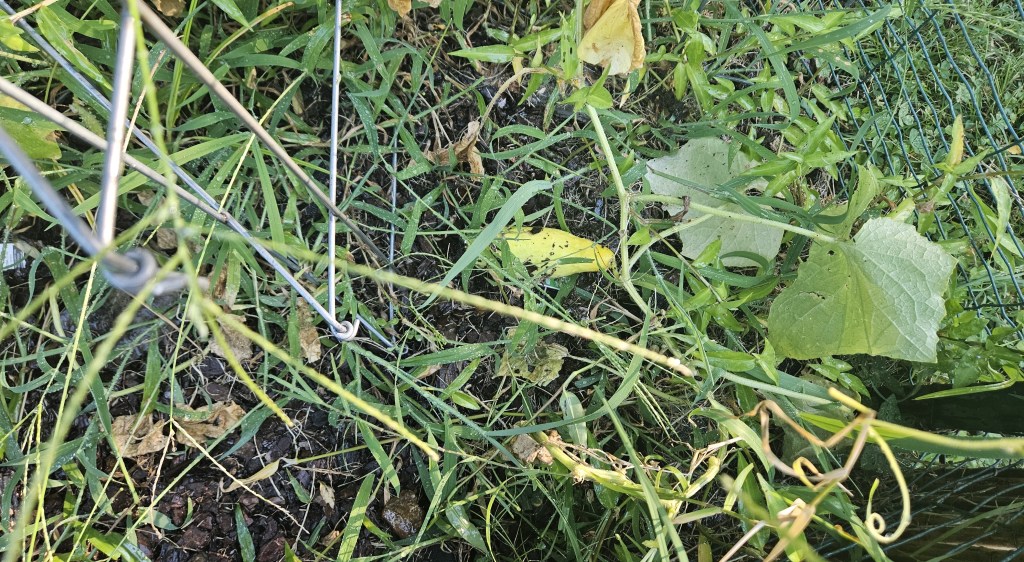
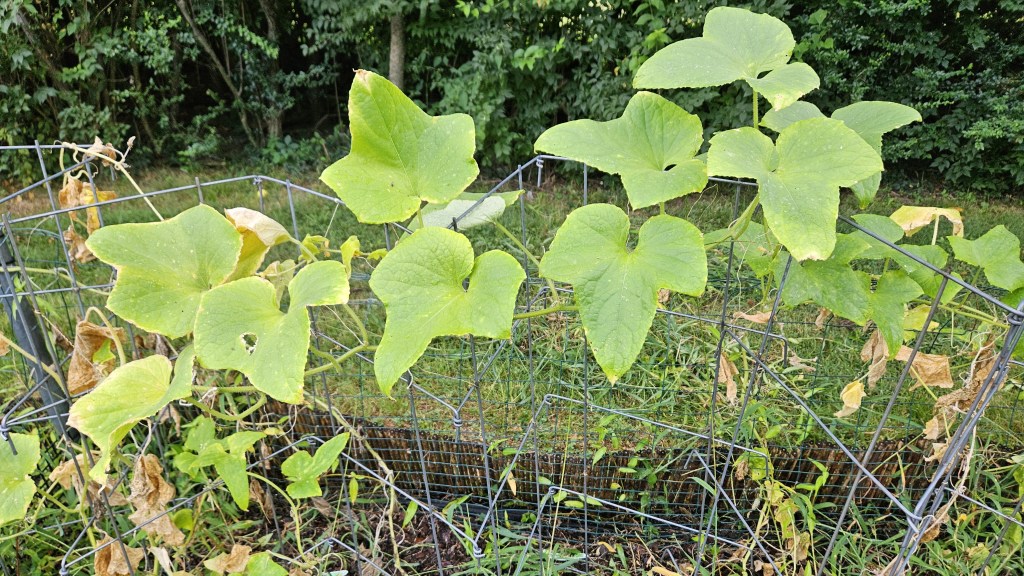
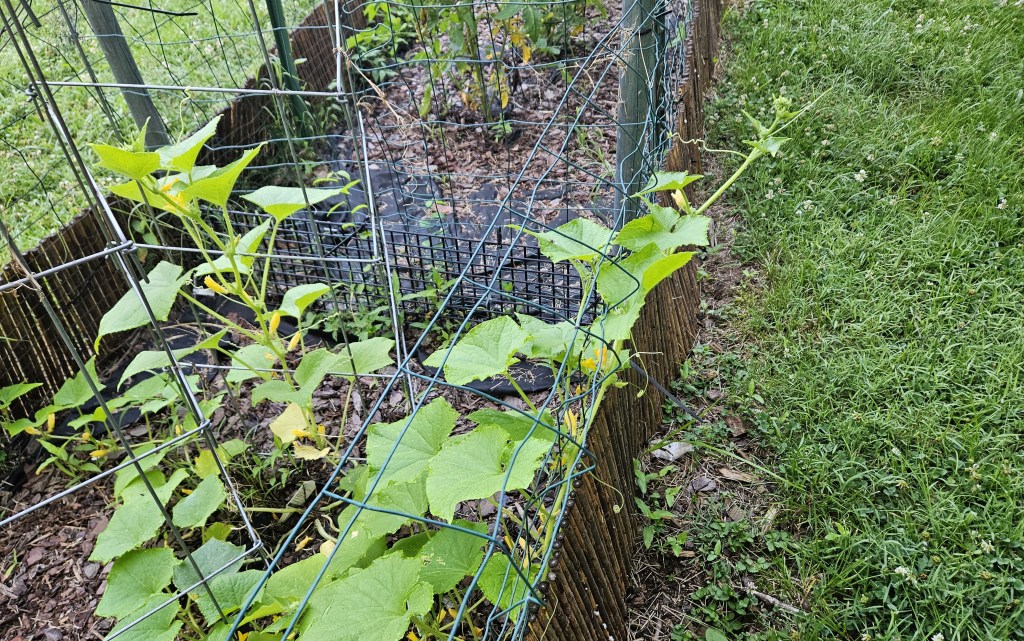
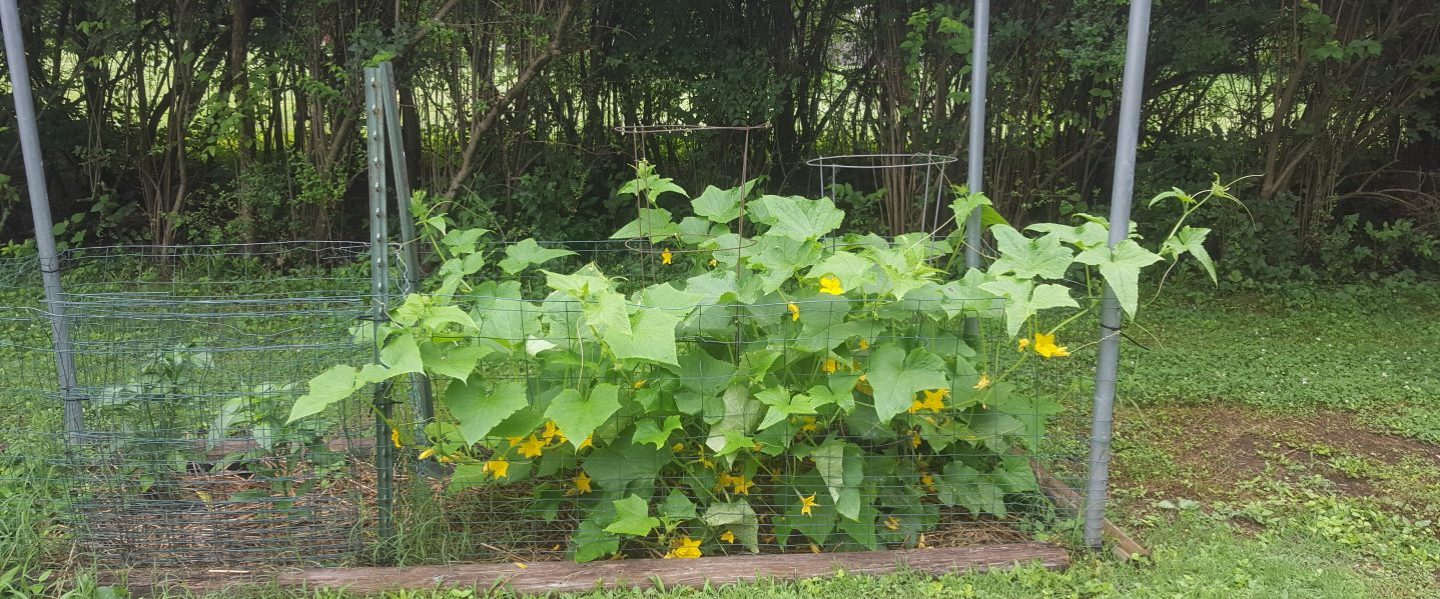
Something has taken three of my cucumber plants. Not nibbled them or broke their branches but taken the entire plant from the ground.

There are several possible culprits. Squirrels are always my first choice for the bad guys, but it’s not their usual method of destruction. It’s not really deer behavior either. It seems more like something a raccoon would do, and they definitely live in my yard. I suppose they could have climbed the fence, but they never have before.

Even more confusing is that they have taken the plants on three separate occasions. What animal has suddenly developed a taste for cucumber plants?

I could get upset about this, but I am choosing not to. Instead, I am trying to see the bright side of this development. Gardening gurus tell me that I should stagger plant my cucumbers, that is, plant a few, wait a few weeks, plant some more, wait, plant – therefore ensuring a longer harvest period. I have always ignored this advice and planted them all at the same time and harvested them all within a few weeks.

This year, for reasons beyond my control, I will be following their advice.

Sometimes, we just need to learn things the hard way. And it makes me wonder what other things God has had to teach me the hard way. Either because I would not follow advice, or because some lessons can only be learned through living through the situation.

My brothers and sisters, whenever you face trials of any kind, consider it nothing but joy, because you know that the testing of your faith produces endurance; and let endurance have its full effect, so that you may be mature and complete, lacking in nothing. James 1:2-4.

Now, that is looking on the bright side!

Perhaps I am growing into this approach to trials. I am not upset about the lost cucumber plants, but grateful for the (albeit forced) opportunity to stagger-plant. The disappointing lack of publisher interest in my fiction writing has pushed me to concentrate on a new devotional. A theological shift in an old group has led me to discover a new group that encourages me to question and grow in my faith. Sometimes trials draw us closer to a personal God, a redeeming Christ, a sustaining Spirit.

And if our goal truly is to become more Christ-like, if we truly are seeking the Kingdom of God first, then anything that furthers that end is a gift, a blessing, a cause for joy, even if not for giddy happiness. And this could be true for more than just stolen cucumber plants. This could be true for chronic disabilities, sudden health scares, the loss of friends and loved ones, disruptions of all shapes and sizes.

So, we do not lose heart. Even though our outer nature is wasting away, our inner nature is being renewed day by day. For this slight momentary affliction is preparing for an eternal weight of glory beyond all measure. 2 Corinthians 4:16.

I encourage you today to look on the bright side of whatever trial you are facing. An ailing parent, a struggling child, discord among friends, physical limitations, daily frustrations, cosmic fears, or garden thieves.

Knowing that suffering produces endurance, and endurance produces character, and character produces hope, and hope does not disappoint us, because God’s love has been poured into our hearts through the Holy Spirit that has been given to us. Romans 5:3-5.

Love in Christ, Betsy

Kind Words

A perfect morning. The sun shines in a clear blue sky. The grass is wet with dew. The ground is damp with yesterday’s rain. It’s 75 degrees at 7:30 in the morning. Perfect.

No harvest this morning. The sugar snaps are gone, and the rest have yet to produce. No “work” to be done, no harvest needing attention. Just a restful, beautiful morning to bask in God’s marvelous creation.

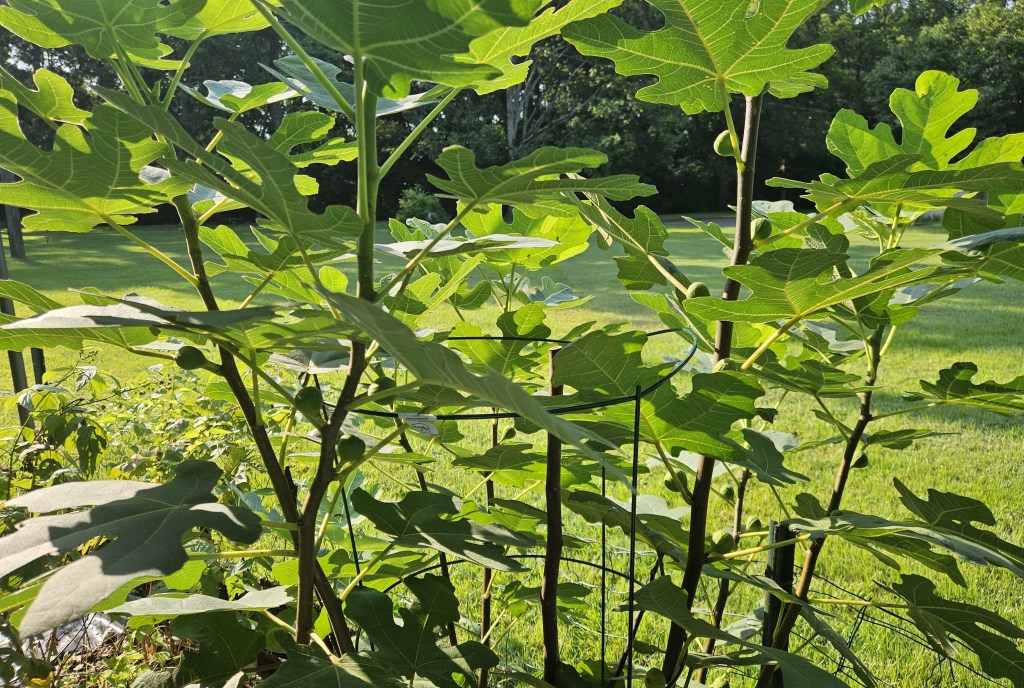
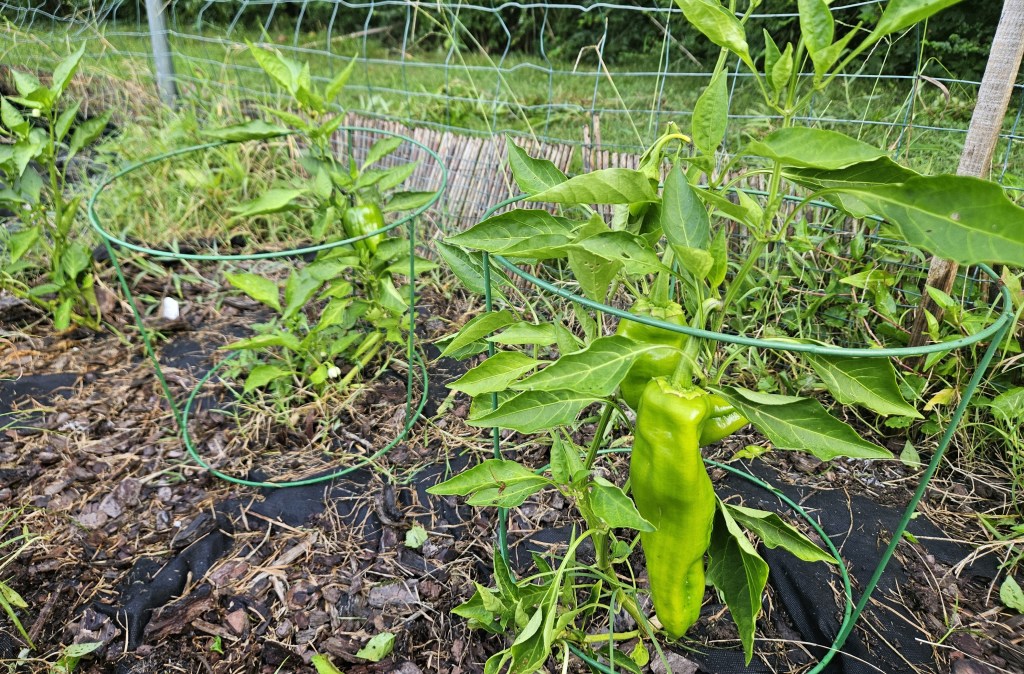
I congratulate the plants on their progress. What large new leaves the fig has grown, how healthy the oregano looks, and a tiny green pepper – congrats!

The evidence that talking to your plants helps them grow isn’t conclusive (Penn State Study), but it can’t hurt. They are living things that respond to their environment. I sense that they know that I care how they are doing. I check if their limbs need support and gently lift them onto the cages. I pull a few random weeds and try to make their environment as conducive to growth as possible.

I sense I should be doing this for the people God has put in my life as well.

Therefore, encourage one another and build each other up, as indeed you are doing. 1 Thessalonians 5:11.

Paul repeats this exhortation in Romans 14:19, Ephesians 4:29, and 1 Corinthians 14:26. The writer of Hebrews encourages us to meet together and encourage each other (10:24-25). This seems to be an important part of Christian living, and yet we need constant reminding to do it because we so often fail at it.

Some mornings, I don’t walk in my garden. It will be fine without me. Some Sundays, I don’t go to church. Some days. I don’t check on my friends who are hurting. Surely, they will be okay for a day or two without my interference.

Sometimes, when I do gather with friends, I am more focused on what others are doing wrong instead of what they are doing right. Usually, that is someone or a group of people who is not present with us. We bemoan what “they” are doing, all the people who have it wrong, who don’t agree with us. On occasion, I have been known to criticize someone I am with, in love, of course!

I rarely criticize my plants. (I would say ‘never,’ but I can’t be sure about that!) If they are struggling, I help them. If they need water, I water them. If they need support, I provide it. Gentle words of encouragement and praise. I don’t recall ever complaining about the cucumbers to the tomatoes, or vice versa, although they grow very differently.

Are you not a precious plant growing in God’s garden? You will grow differently than me. You will look different, act different, respond differently. You may bear different fruit. God may have given you a very different purpose for your time on this earth than He gave me.

But as it is, God arranged the members of the body, each one of them, as he chose. If all were a single member, where would the body be? As it is there are many members, yet one body. The eye cannot say to the hand, “I have no need of you,” nor again the head to the feet, “I have no need of you.” 1 Corinthians 12:18-21.

Instead, perhaps, we should be congratulating those who express their love for God differently from us – on their faith, their determination, their growth, and their evident love. Perhaps, we can learn to trust that God will produce in them the fruit He desires, just as we trust that He will produce that fruit in us.

And if I only spoke words of love and encouragement to those around me, what a beautiful day every day might be. It might even be perfect.

Love in Christ, Betsy

The Shift

No matter what the calendar might indicate, summer is here. School is out, the pools are open, Memorial Day is over, and the sugar snaps have succumbed to the heat. It’s summer.

I had a good sugar snap harvest this year. Not my best but far from my worst. It was a little warm and dry for these plants, but the peas were sweet and crunchy and enough to share.

I could be sad about my brown and brittle plants. It would be wonderful if they could grow and produce all summer, but that is not what sugar snaps do in Tennessee. They grow in the Spring, they produce in May, and they die when the temperatures get into the eighties. Instead of being saddened by their relatively short lives, I am grateful for their delicious fruit and the joy of the harvest that they brought me.

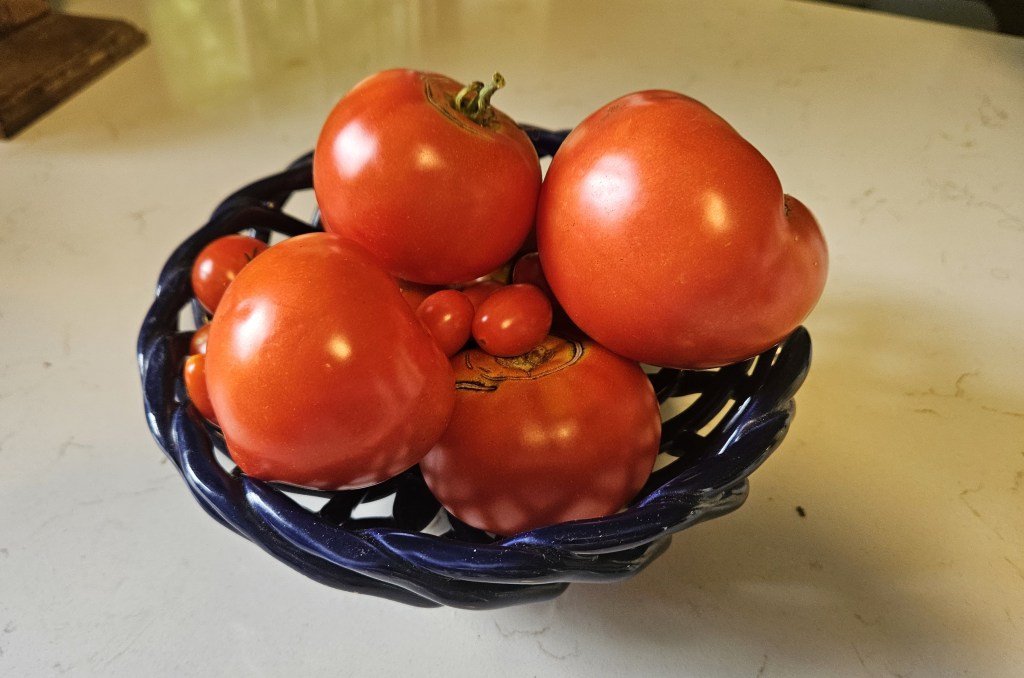
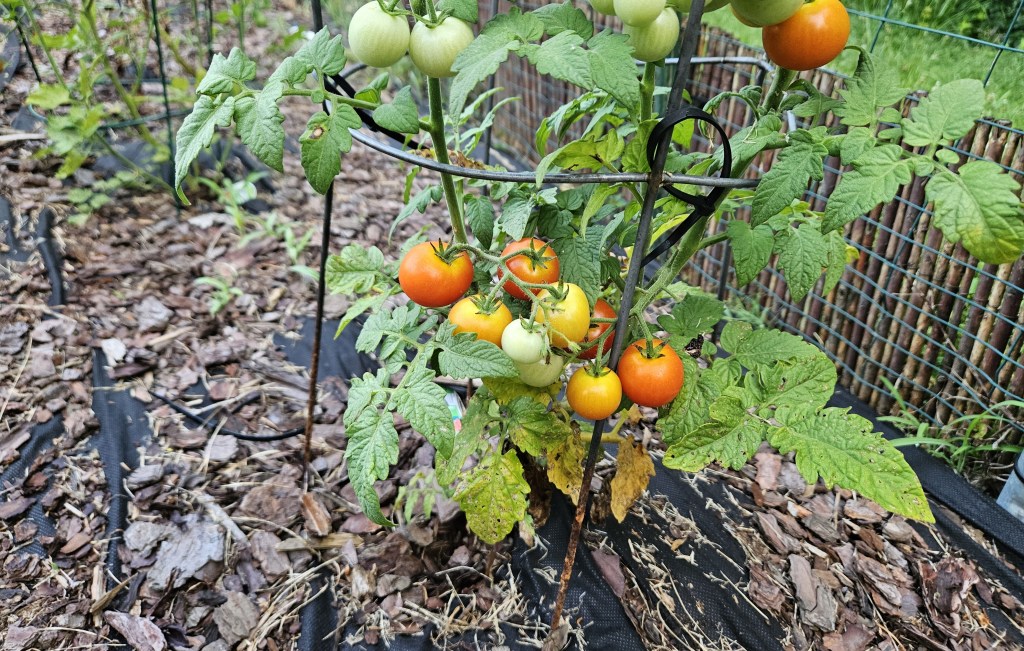
Already the rest of my garden is calling for my attention. Leaves cover the fig and the raspberry. The tomato plants grow taller by the day. I have already picked basil leaves, and the garlic is beginning to mature. The garden continues to grow and produce.

After my husband died, I found it disturbing that the world continued. I suddenly understood the old practice of stopping the clocks, covering them even. If you can’t turn back time and bring your loved one back, at least you can try to stop it from moving on. Because you don’t want to get over their death. You don’t want it to be true, and the longer you live with the reality of their passing, the truer it becomes.

But while the sugar snaps are dead, the garden is not. I am coming up on the seven-year anniversary of Nick’s death. Time has continued. New plants have grown in my garden; new interests, new friends, and new hobbies have arisen to fill my days. Maybe even one day, romance may resurface, although I am not planting those seeds and am not ready for it to appear.

I sense the shift, though. Ever so slowly, I am turning my attention from the brown and brittle hurt of loss to the green and growing life around me. The lake beckons. My children and grandchildren thrive. My friend group expands. I find myself going to new venues to hear live music. I am learning to blend the old things and the new things.

For everything there is a season, and a time for every matter under heaven. Ecclesiastes 3:1.

I still twinge at the thought of moving on though. I still love my husband. I still miss him. But the hot weather that kills the sugar snaps makes the tomatoes and cucumbers grow. And their fruit is delicious as well. The garden has taught me that different fruits require different environments, that not all fruit appears at the same time, and that good things can grow under any circumstance. This is true in the garden; this is true in life.

We know that all things work together for good for those who love God, who are called according to his purpose. Romans 8:28.

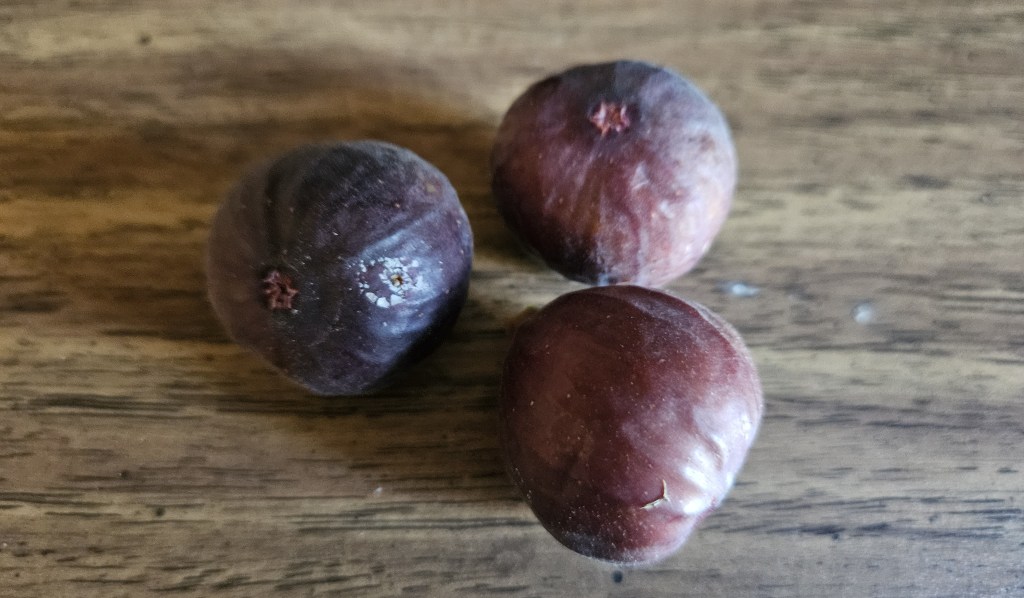
And summer can be a glorious time, full of play and water sports, and vacations, and a break from routines. Summer is a time for beach reads and family reunions, travel and sitting by the water. Summer is a time for red tomatoes and purple figs, cucumber sandwiches and fresh raspberries.

Join me in the shift. Let’s turn our attention from grieving the loss of what was to celebrating what is and what will be.

Love in Christ, Betsy

A Little Change

I made a little change in my garden to solve a nagging problem.

Change can be hard, but what if God is calling us to do just that, change?

I’ve had a problem with my lawn service this summer. They come when I am not home. And their mower sprays grass clipping all over my garden plants.

If I were home when they were mowing, I would ask them not to do this. I’m not sure why this is even so much of a problem this year since it hasn’t been in the past. Perhaps they have a new mower, but the problem may be mine. Since I did not pull up all my landscape timbers last year, they have sunk lower into the ground. Several of them are rotting away. The accumulation of grass clipping has hastened this process.

I could text my mower about the problem. I considered replacing all the landscape timbers. But I decided instead to edge the garden with a taller “clipping barrier.” Of course, the stores don’t carry foot-tall edging, so I had to order a trial sample to see if it would work. I like the look.

This edging may help with critter control as well. It’s different. Time alone will tell if it’s better.

My daughter, who works with ministry innovators, often writes about how change often happens slowly, develops through necessity, and occurs when we are focusing on something else. I look at my garden as the sixth summer without my husband draws to a close and I see change.

The bones of my garden are the same. Same poles, same fence posts, same location. But I no longer dismantle it; I no longer let the garden return to grass every year. I have perennial fruit trees and herbs. I pay helpers to assist me. And now I have foot high edging. I am adapting, slowly, by necessity, to gardening without him.

All in an effort to bear fruit.

There’s a lot of discussion about change in the church. When is change necessary to bear fruit for God and when is it conforming to the world? Jesus was an agent of change. He ate with simmers, broke sabbath laws, and overturned the tables in the temple.

The pharisees and their scribes were complaining to his disciples, saying, “Why do you eat and drink with tax collectors and sinners?” Jesus answered, “Those who are well have no need of a physician, but those who are sick. I have come to call not the righteous, but sinners to repentance.” Luke 5:30-32.

The established church leaders didn’t like the change. And Jesus didn’t stop at changing the status quo. He sent the Spirit to live within us and change our focus, our attitudes, our actions, and our lives. He takes our established garden and slowly transforms it into a more gracious, more loving, more fruitful place.

Several hundred years ago, women who used herbs to cure ailments were considered witches. Now it’s a multi-million-dollar business. Most Christians have no qualms putting aloe on a burn, drinking chamomile tea to relax, or taking garlic to reduce cholesterol. Some Christians even advocate turning away from established medicine to more homeopathic remedies. They should be grateful the church no longer labels them witches for this.

Is God calling you to make some changes this fall?

Perhaps minor changes like a better edging around your garden space, a more sacred quiet time alone with the Lord, a more intentional effort to keep the litter at bay.

Maybe He is calling you to make a radical change, eat with sinners and social outcasts, try an herbal remedy, go against established church tradition.

I pray that God will always keep me open to the changes He calls me to make. I pray that He will continue to call me, sinner that I am. And I pray that He will bear His fruit in my life and in yours.

Love in Christ, Betsy

Hope in a Raspberry

I step outside and breathe in the cool morning air. I shiver at the breeze, and the dew is almost cold on my feet. Such a change from the scorching temperatures of only a week ago. It feels like a gift.

I had a tough weekend. I went to a writer’s conference at which my book-in-progress was a finalist for an award. Not only did it not win, but it was also trashed in critiques sessions and firmly rejected by agents. I tell you this not to generate your sympathy, but because sometimes life is like that. We do our best at the time, but sometimes it is just not good enough.

I came home wondering if I could do better or if I should abandon this pursuit. How much effort do I continue to put in this garden when it is not bearing fruit?

These were the thoughts that swilled in my head when I stepped outside. The unexpected chill brought me out of that inner world and into the present.

It is a beautiful morning. Wisps of white clouds stretch across a Carolina blue sky. Birds sing and a bumble bee searches the flowers on my aging cucumber vines.

I’ve taken down the bird netting and pulled up the dead tomato plants. Most of my garden is ready to rest, tired from a fruitful summer. But not all of it.

The basil still grows, and I snip off the tall blossoms and inhale their sweet scent. My entire body smiles at this gift. The smell of fresh basil overpowers my sense of failure, and all the negative words fade away. What a simple and beautiful gift this tiny plant is.

For we are the aroma of Christ to God among those who are being saved and among those who are perishing. 2 Corinthians 2:15.

I lift my eyes in praise for this heavenly aroma and there, on the tips of my raspberry bush, are bright red berries. I was told not to expect fruit this year and was surprised by a few berries in the spring. I am even more surprised by these berries in August.

I have not paid attention to my raspberry bush this summer except to trim it back as it expanded into the yard. Without my notice, this plant had generated new life and now displays its fruit to the world.

Unexpected fruit. I had put the plant in the ground and kept it alive, but beyond that, this raspberry bush is simply doing what it was created to do – grow and bear fruit. No one is teaching it how to do this or telling it if it is doing it well or poorly. The bush is not waiting for another’s affirmation. It is not trying to solve world hunger. It is absorbing the heat of the day and the cool of the morning and bearing fruit.

This is something every one of us can do.

An old saying reminds us that the world would be a quiet place if only the birds with the best voices sang. And the world would starve if only the best plants produced fruit.

I pull off the red berries and eat them on the spot. Sweet and tender, they nearly dissolve on my tongue. This fruit may not be changing the world, but it is changing my world this morning.

Refreshed, I return to my office and start to type. I do not need the world’s affirmation to do what God has put upon my heart to do. I need simply to do it and let Him use that fruit however He sees fit.

For we are what he has made us, created in Christ Jesus for good works, which God prepared beforehand to be our way of life, Ephesians 2:10.

God is so good.

Love in Christ, Betsy

Still Growing!

The heat has decimated my tomato plants. They brought me plenty of tomatoes in July, but they are spent now, brown, sagging, and lifeless.

My cucumber plants, however, are still growing, still sprouting flowers, still bearing fruit.

Usually they too are brown, sagging, and lifeless by mid-August. But not this year. Although I can’t know for sure, I think the difference is that this year my creek has flooded – twice in the past six weeks.

Sudden downpours of heavy rain have overrun my little creek’s capacity and sent it across the yard dousing my cucumber plants in fresh water and leaving behind new dirt and nutrients. Far enough away for the current, the flood water in my yard accumulates but flows gently. As much as six inches of water may have flowed across my plants, but they were able to withstand its push.

And now they are bearing flowers, thriving in the warmth, revitalized by the water the storms brought.

Perhaps there is a lesson here.

Flooding can be devastating. We’ve been reminded of that brutally this year. We are reminded of that dramatically every few years. We were all stunned by the photos of farm houses floating down the Missouri and Mississippi rivers in 1993. Nashville saw catastrophic flooding in 2010. More people die from flooding than any other weather-related cause except heat. Flooding is a serious issue; one we should not take lightly.

But not all flooding brings devastation and death. Most floods are less dramatic. Often, we have warnings that heavy rain is coming. We can usually mitigate the damage, get ourselves and our loved ones to safe places, prepare for the storm.

Everyone who hears these words of mine and acts on them will be like the wise man who built his house on rock. The rain fell, the floods came. And the winds blew and beat on that house, but it did not fall, because it had been founded on rock. Matthew 7:24-25.

My landscape timbers are tied to the garden fence to keep them from floating away. Everything electrical in my garage is elevated above the “normal” flood line. Even my recycling is elevated, which would not be hurt, but it is a mess to clean up if water tips the cans over. And the water has gotten in my garage twice in the past six weeks.

Of course, flooding like what happened in Texas this summer, in North Carolina, what happened in 2010, and what happened in 1993 is beyond what anyone could prepare for. But they are not beyond what we can recover from. The Midwest has recovered. Nashville has recovered. North Carolina is recovering. Texas will recover.

My cucumbers recovered quickly. Thrived even. Healthier after the storm than before it. I find hope in this. When the storms come, and they will come, when the water rises, and it will rise, we can withstand, survive, recover, perhaps even thrive. It may be hard to believe when all you see is devastation. It may even feel insensitive to hope in the face of loss and destruction. But that is when we need hope the most, when we can’t see the reason for it.

Now faith is the assurance of things hoped for, the conviction of things not seen. Hebrews 11:1.

I don’t know what storm you are facing, or what floodwater threatens you today. God knows. He and His Spirit can help you prepare for the onslaught. He can help you withstand, survive, and recover. Perhaps He can even cause you to thrive in the aftermath.

Build on the rock and stand firm.

Love in Christ, Betsy

The Beach in August

I took a break from the garden last week to spend time at the beach with extended family.

Every day the weather was different. Storms raged at sea and occasionally on our beach. Hot sun had us sitting under a beach canopy and cloudy skies had us building sandcastles at the water’s edge.

When the wind kicked up the waves, we took the twins in their floaties to the sandbar beyond the waves and watched the dolphins rise to the surface close by. They are two and a half years old. I hope a deep love of the ocean was instilled in them even though they probably won’t remember this trip.

My parents took me to the ocean as a child, and my husband and I took our children. Now my grandchildren have been as well. Going to the beach has changed since I was a child, but the beach hasn’t.

When I was a child, I slept on an inflatable raft in the back of the station wagon during the drive. We had no sunscreen, no beach umbrella. I stayed out until my nose hurt when I crinkled it. I now see the dermatologists every six months to keep my skin cancer at bay.

My grandkids get sprayed down with 100 spf baby-friendly sunscreen and play under the canopy when it gets too hot.

But the sand still holds treasures – seashells and little periwinkles who dig into the sand when the waves recede. Sand crabs still dig their holes and watch for feet and seagulls. Pelicans still dive from the sky to bob on the water with a fish in their beak. And the dolphins still gently surface the water or grace us with a jump or a splash.

Storms still rage at sea while we sit in the sun and watch them travel across the horizon. The sun still fills the sky with colors every morning and bursts in rays from behind the clouds. The sand still insists on coming home with you in your car, in your suitcase, in your shoes.

God still speaks to me through his amazing creations, the wind, the waves, the sea life, the shore, the sand, the ever-changing, never-changing mystery of the sea.

Ever since the creation of the world his eternal power and divine nature, invisible thought they are, have been understood and seen through the things he has made. Romans 1:20.

It was difficult to come home. My garden is aging out and covered in weeds. My fig and raspberry are begging for more space. I am meeting with agents and attending writer’s conferences and preparing for a family gathering. There are things that need attention in my home, in my garden, in my life.

But what a gift to spend a little while getting to know extended family, playing with the grandkids, and soaking in the beauty of the ocean. What a gift to take a sabbath break from other demands and dig my toes in the sand. What a gift to turn my eyes away from daily concerns and look instead to God’s beautiful creation.

Love in Christ, Betsy

Rethinking No-Till

Weeds are taking over my garden. Sigh. For years I, well, someone (for years that someone was my husband), tilled the garden ground every year to prepare it for seeds and plants. For the past two years I have been trying the no-till method. Just cover the ground with cardboard to suppress the weeds. No arduous tilling required.

Guess what? It doesn’t work.

I had hoped that I could find one action that would keep the weeds from invading my garden. But tilling doesn’t prevent weeds from returning and covering them with cardboard doesn’t prevent them from surfacing. Weeds are only kept at bay by constant, consistent, and diligent weeding. Sigh.

The daily attention to keeping undesirable plants out of my garden is tiresome. The temptation to just let a few remain is strong. The problem is, soon the few become many and spread throughout the garden. Soon the weeds are growing among my tomato plants, stealing their water and nutrients.

Hiding the weeds does not make them go away. Even the one-time upheaval of tilling will not keep them at bay forever. These weeds, which are prevalent and pervasive in my yard, want my garden as well. But my garden is set aside for a special purpose, and weeds are not welcome there.

And others are those sown among thorns; these are the ones who hear the word but the cares of the world, and the lure of wealth, and the desire for other things come in and choke the word, and it yields nothing. Mark 4:18-19.

I did not sow my tomatoes among weeds, among thorns, but weeds have entered my garden and are choking my plants. Am I letting the cares of the world choke the effects of the word in me as well?

Weeds are not bad things. They are, by definition, just plants growing where we don’t want them to grow. Cares of the world, the lure of wealth, and the desire for things are not bad. But my relationship with God is more important. And if I want that relationship to bear Godly fruit to share with the world, I need to weed those cares and desires from my life.

Covering them up doesn’t work. Even the one-time mass upheaval of repentance and revival doesn’t work. The weeds will return without constant, consistent, and diligent attention on my part.

Search me, O God, and know my heart; test me and know my thoughts. See if there is any wicked way in me and lead me in the way everlasting. Psalm 139:23-24.

I don’t enjoy this process any more than I enjoy weeding. My ego would like me to believe that I don’t have any wicked ways in me. But who am I kidding? Those weeds are hiding just under the cardboard, seeking a weak spot where they can break through and spread across my life.

Sure, I can let a few remain. That would be the easy thing to do. The problem is, soon the few become many and spread throughout the garden. Soon the weeds are growing among my tomato plants, stealing their water and nutrients. Soon, I will be bearing the weeds of the world, wealth, and other things instead of bearing the fruit of the Holy Spirit.

Just as I water daily, I need to pull weeds daily. Just as I water the Spirit with prayer daily, I need to pull the weeds of worldly concerns daily. Because I am God’s garden, set apart from the yard to bear His fruit.

But you are a chosen race, a royal priesthood, a holy nation, God’s own people, in order that you may proclaim the might acts of him who called you out of darkness into his marvelous light. 1 Peter 2:9.

I don’t want the weeds to choke that out.

Love in Christ, Betsy